
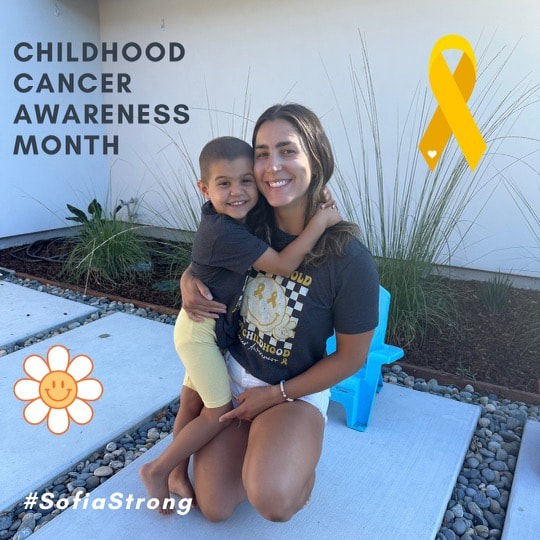
**Warning: Prepare for Proud Daddy Overload! ** This story may contain excessive bragging about my amazing daughter. So, if you're allergic to adorable anecdotes, tear jerkers, and the occasional dad-joke, please proceed with caution. You might find yourself saying, "Oh no, not another one of those 'my kid is the best' stories." But if you're ready to be inspired with a heartwarming story of my little superstar, grab some popcorn, and let's dive in.
I want to tell you a story about my amazing daughter, Sofia. She's just four years old, but she's already shown incredible strength and courage during her battle with leukemia. It all started when she was only three, and we received the news that no parent ever wants to hear.
At that moment, my wife and I were scared. We tried to be strong, and we told ourselves that Sofia was strong too. But deep down, we were afraid, and Sofia felt the same way. How could a little three-year-old find the strength to face something as challenging as leukemia? The truth is that during these times, we are human and fear is real. Yet, incredible strength can come from the journey.
We quickly learned that strength isn't something you're born with; it's something you build over time, like picking up that heavy weight over and over, until your muscles finally adapt to the load. It takes facing tough times and dealing with fear (fear will show up, yet you do it anyways) to build that strength. And we witnessed this incredible strength growing in Sofia over the past nine months.
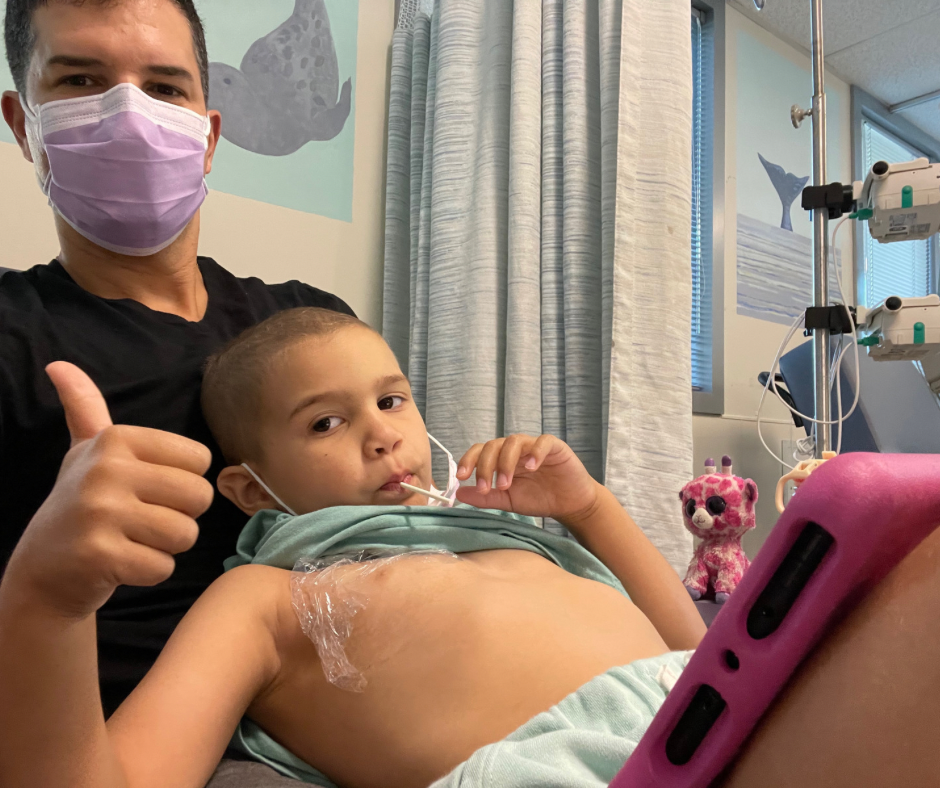
After the first week at the hospital last year, the doctors placed a special device called a "chemo port" inside her chest. It's a small, implantable device that attaches to a vein and it's meant to make it easier for nurses to retrieve blood and give her chemo treatments. But even with the port, Sofia still had to go through the pain of getting poked with a needle on her skin weekly. It was heartbreaking to see her cry and yell each time.
Every time we went to the hospital, before we entered, I'd stop her in the parking lot. I'd look into her eyes and ask, "Who's my tough girl?" She'd reply with a confident "ME!" Then I'd ask, "Who's my beautiful girl?" Again, she'd answer with a strong "ME!" And finally, I'd ask, "Who's my courageous girl?" Her response was always the same, "ME!"
Despite the positive affirmations, each time it was the same. We'd get in the room and anxiety would take over.
Then one day, something remarkable happened. As we entered the oncology department, Sofia looked at me and said, "I'm not going to cry today, Daddy." My heart swelled with pride, and I said, "Okay, Sofia, daddy will be right here with you."
We settled into her favorite chair, with her sitting on my lap. The nurses came in with the equipment to access her port. One of them asked Sofia, "Do you want me to count down before putting the needle in?" Sofia shook her head, indicating she was ready. I told the nurse to go ahead. Sofia clenched her fist and lips, staring at the needle going into her chest. Then, she looked up at me and said with a triumphant smile, "Daddy, I did it! I didn't cry."
At that moment, it was my turn to hold back tears. My little girl had shown me what true courage and strength meant – facing something you dislike and building the strength to overcome it.
Just like Sofia, we all have our challenges. Those incidents, people, and habits take over our lives and when it's new, it's very hard to find strength.
What's your personal "cancer" – that difficult obstacle that seems overwhelming? Where in your life do you need to face that needle and build strength? Remember, we all have a choice. We can choose to be trapped by fear, negative thoughts, and self-doubt, or we can choose to build strength, just like Sofia did, one day at a time. It may not happen right away, but our body and mind adapts to the resistance. That's how strength is built. Embrace life's challenges with courage.
Sofia, my little hero, has taught me that even the smallest person can possess incredible strength.
I want to tell you a story about my amazing daughter, Sofia. She's just four years old, but she's already shown incredible strength and courage during her battle with leukemia. It all started when she was only three, and we received the news that no parent ever wants to hear.
At that moment, my wife and I were scared. We tried to be strong, and we told ourselves that Sofia was strong too. But deep down, we were afraid, and Sofia felt the same way. How could a little three-year-old find the strength to face something as challenging as leukemia? The truth is that during these times, we are human and fear is real. Yet, incredible strength can come from the journey.
We quickly learned that strength isn't something you're born with; it's something you build over time, like picking up that heavy weight over and over, until your muscles finally adapt to the load. It takes facing tough times and dealing with fear (fear will show up, yet you do it anyways) to build that strength. And we witnessed this incredible strength growing in Sofia over the past nine months.
After the first week at the hospital last year, the doctors placed a special device called a "chemo port" inside her chest. It's a small, implantable device that attaches to a vein and it's meant to make it easier for nurses to retrieve blood and give her chemo treatments. But even with the port, Sofia still had to go through the pain of getting poked with a needle on her skin weekly. It was heartbreaking to see her cry and yell each time.
Every time we went to the hospital, before we entered, I'd stop her in the parking lot. I'd look into her eyes and ask, "Who's my tough girl?" She'd reply with a confident "ME!" Then I'd ask, "Who's my beautiful girl?" Again, she'd answer with a strong "ME!" And finally, I'd ask, "Who's my courageous girl?" Her response was always the same, "ME!"
Despite the positive affirmations, each time it was the same. We'd get in the room and anxiety would take over.
Then one day, something remarkable happened. As we entered the oncology department, Sofia looked at me and said, "I'm not going to cry today, Daddy." My heart swelled with pride, and I said, "Okay, Sofia, daddy will be right here with you."
We settled into her favorite chair, with her sitting on my lap. The nurses came in with the equipment to access her port. One of them asked Sofia, "Do you want me to count down before putting the needle in?" Sofia shook her head, indicating she was ready. I told the nurse to go ahead. Sofia clenched her fist and lips, staring at the needle going into her chest. Then, she looked up at me and said with a triumphant smile, "Daddy, I did it! I didn't cry."
At that moment, it was my turn to hold back tears. My little girl had shown me what true courage and strength meant – facing something you dislike and building the strength to overcome it.
Just like Sofia, we all have our challenges. Those incidents, people, and habits take over our lives and when it's new, it's very hard to find strength.
What's your personal "cancer" – that difficult obstacle that seems overwhelming? Where in your life do you need to face that needle and build strength? Remember, we all have a choice. We can choose to be trapped by fear, negative thoughts, and self-doubt, or we can choose to build strength, just like Sofia did, one day at a time. It may not happen right away, but our body and mind adapts to the resistance. That's how strength is built. Embrace life's challenges with courage.
Sofia, my little hero, has taught me that even the smallest person can possess incredible strength.








 RSS Feed